Important information on why I shouldn't automatically neuter my dog

Early Spay/Neuter, Desexing Risks

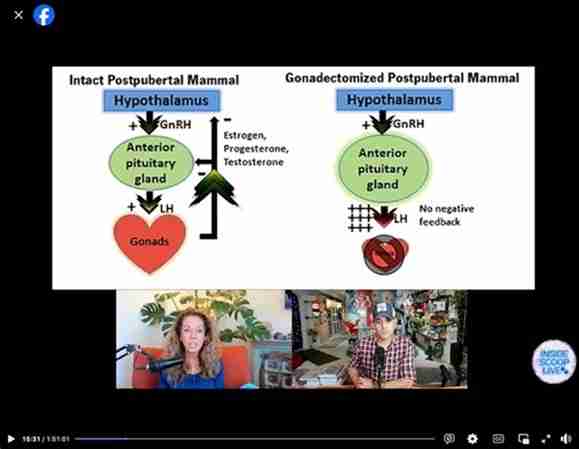
A balanced endocrine system is a must for healthy metabolism, immune response, and overall well-being, and the disruption of sex hormones early in life can lead to chronic, degenerative conditions over time.

When we know more, we can do better.

Ready. Set. Learn.

The topic of spaying and neutering provokes strong emotions because many people don’t understand the difference between sterilization (rendering animals unable to reproduce) and desexing by conventional surgical methods of spaying and neutering (which renders dogs unable to reproduce and also unable to have normal endocrine physiology).

I grew up working at a kill shelter. When I was 17 years old, I became a certified euthanasia technician through the Iowa State College of Veterinary Medicine. Over my fifteen-year career in shelter medicine, I have euthanized thousands of healthy animals, so I’m well aware of the overpopulation crisis and the need to limit an animal’s ability to reproduce.

As a functional medicine veterinarian, I’m also aware of the irreparable endocrine disruption that occurs when dogs are desexed early in life (spayed and neutered before puberty, which removes all sex hormone-secreting tissues).

My interest in hormone-preserving sterilization techniques stems from my desire to accomplish both goals: render dogs unable to produce unwanted litters and preserve vital sex hormones that are needed for normal development and optimal healthspan and lifespan. Thankfully, cats have entirely different reproductive physiology and appear not to have the same detrimental consequences as dogs.

Veterinary reproductive specialist and researcher Dr. Michelle Kutzler summarizes the latest scientific findings about this topic very succinctly:

“Gonadectomized (spayed and neutered) dogs have been reported to have a higher incidence of obesity, urinary incontinence, urinary calculi, atopic dermatitis, autoimmune hemolytic anemia, hypoadrenocorticism, diabetes mellitus, hypothyroidism, immune-mediated thrombocytopenia, inflammatory bowel disease, hip dysplasia, cranial cruciate ligament rupture, aggressive and fearful behavior, cognitive dysfunction syndrome, prostate adenocarcinoma and transitional cell adenocarcinoma. Musculoskeletal issues may be especially significant for large breed dogs gonadectomized before they have finished growing, as bone physeal closure is delayed.”–

– Michelle Anne Kutzler, MBA, DVM, PhD, DACT, Professor of Theriogenology, Oregon State University

The easiest surgical alternatives that accomplish both goals (rendering animals unable to reproduce while preserving vital sex hormones) are a hysterectomy, removing only the uterus (thereby removing the risk of pyometra and pregnancy) and leaving the hormone-producing ovaries in the body for females, and vasectomy for males.

The only reason vets don’t offer these alternative surgical approaches is they don’t know how to perform them; we’re only taught one technique in vet schools: traditional spay/neuter (which leaves dogs with no sex hormones for the rest of their lives).


Important information on why I shouldn't automatically neuter my dog

Member Only Spay/Neuter and Desexing Information

If you’re an Inside Scooper (a member of my private wellness community) you can access my current desexing videos here.

Important information on why I shouldn't automatically neuter my dog
Support and Damage Control Protocols for spayed and neutered pets

Download a copy my current Support and Damage Control Protocols for spayed and neutered pets

Important information on why I shouldn't automatically neuter my dog
When is the best time to spay or neuter my dog, and why cats are different

Click here to watch the episode

Additional Resources

Important information on why I shouldn't automatically neuter my dog
Petition

If you would like to help change this, please sign my petition to encourage vet schools to update their surgical curricula so vet students learn these less invasive techniques with fewer long-term consequences.

Important information on why I shouldn't automatically neuter my dog
Vet Directory

In the meantime, if you’re looking for vets that offer hormone-preserving sterilization options, contact your closest veterinary school or check out the Parsemus Foundation’s Veterinary Directory.

Important information on why I shouldn't automatically neuter my dog
Spay/Neuter Studies

If you want to read more scientific studies about the effects of traditional spay/neuter, I’ve gathered lots of research articles and compiled them into a PDF you can access below

Dr. Becker cannot legally answer any questions about an animal’s medical problem, diet or product related questions. If you have questions relating to your pet please contact your veterinarian directly or click here to find an integrative vet. All fields are required.